Bottlebrush Pruning Services for Property Owners
Visitors can learn about local contractors who provide Bottlebrush pruning services and how to compare their offerings.
- - Residential homeowners seeking professional pruning to enhance their garden’s appearance and health.
- - Commercial property managers requiring regular shrub maintenance to maintain landscape standards.
- - Landscape designers looking for skilled local contractors to execute Bottlebrush pruning projects.
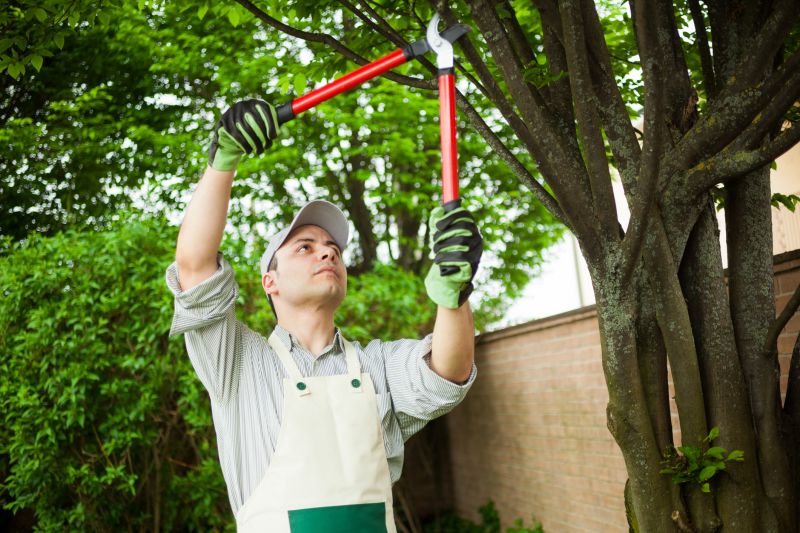
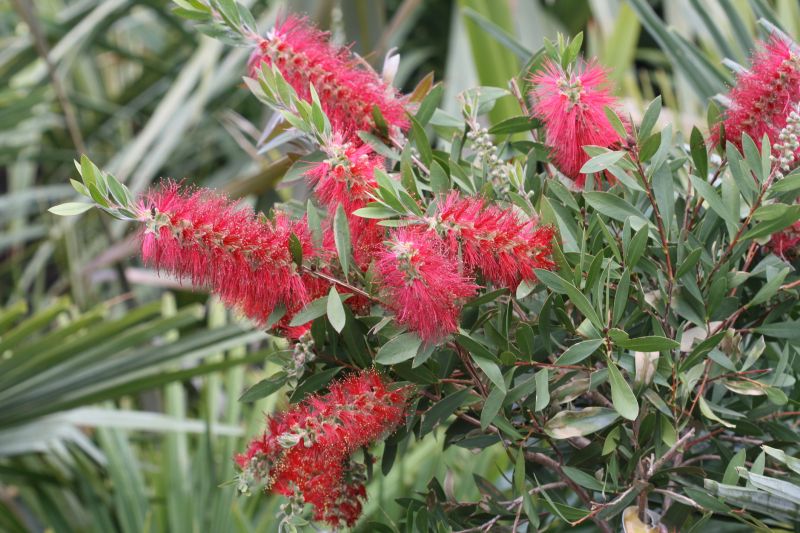
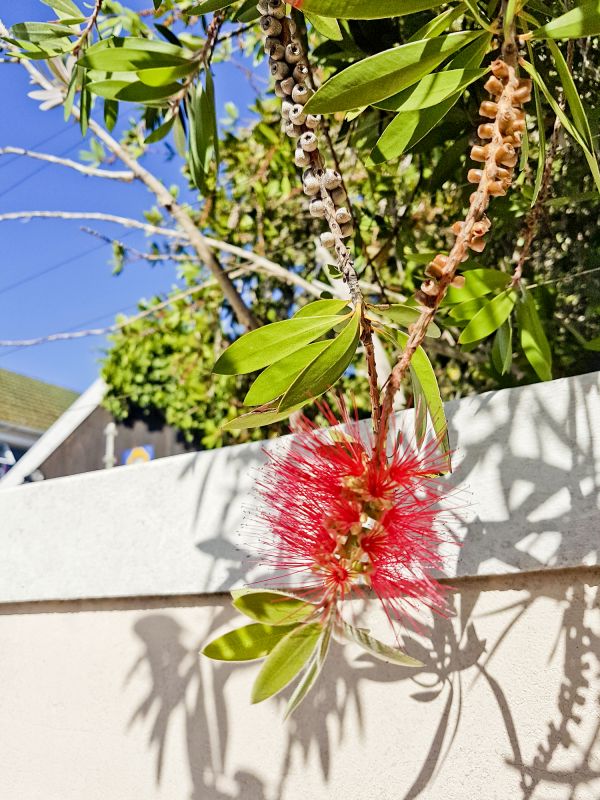
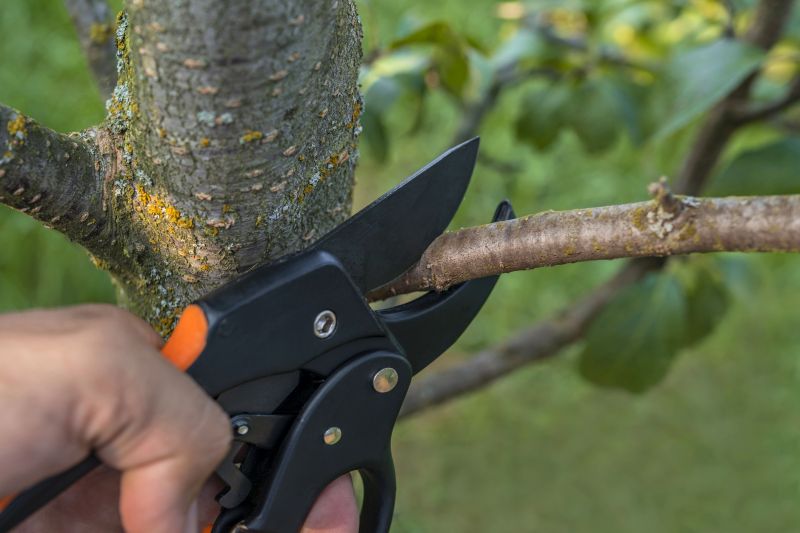
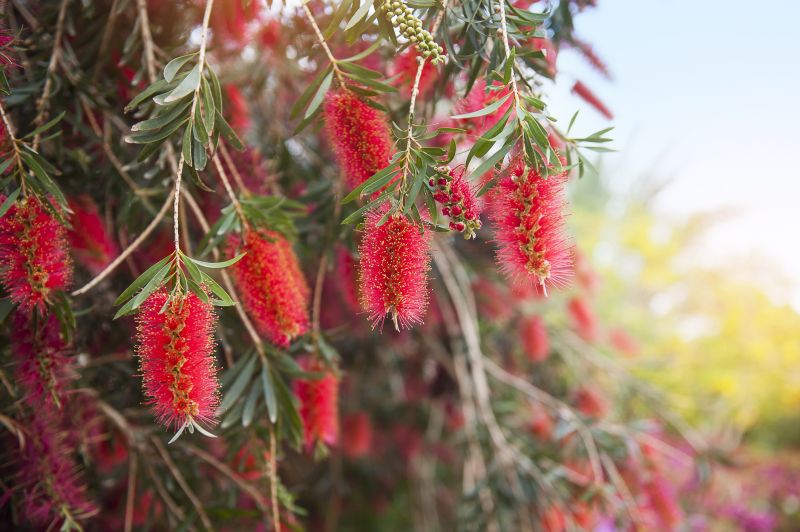
Bottlebrush pruning services are essential for maintaining the health and appearance of these vibrant shrubs. Local contractors who specialize in shrub and landscape care can assist property owners in shaping, trimming, and removing overgrown or damaged branches. These professionals understand the specific needs of bottlebrush plants and can perform pruning that promotes healthy growth, enhances the visual appeal, and prevents potential issues such as disease or pest infestations. Homeowners and property managers often seek out local service providers for routine maintenance or to address specific concerns related to their bottlebrush bushes.
Connecting with experienced local contractors ensures that bottlebrush pruning is handled safely and effectively. Service providers typically evaluate the condition of the plants, determine appropriate pruning techniques, and execute the work with the necessary tools and expertise. Whether the goal is to tidy up overgrown bushes, remove dead or diseased branches, or encourage fuller growth, local pros can deliver tailored solutions to meet individual property needs. Property owners can explore options and compare local providers to find the right fit for their bottlebrush pruning projects.
This guide provides an overview of Bottlebrush pruning services to help you understand what to expect. It assists in comparing local contractors and understanding the basics of the work involved. The information aims to support you in preparing to connect with qualified service providers in your area.